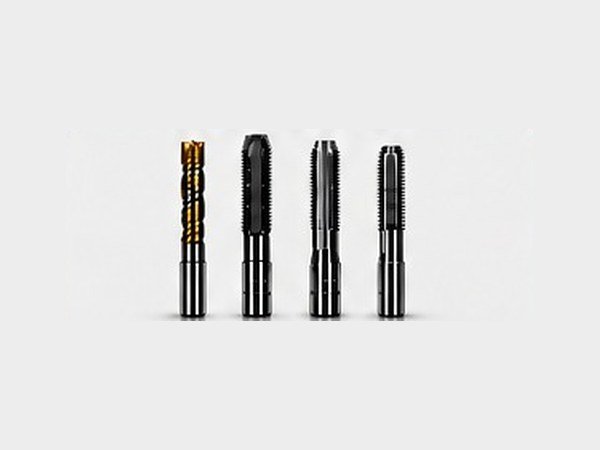
A hand tap set usually comes as three taps that look almost the same. The difference is the chamfer, the tapered lead at the tip that eases the tap into the hole. Using them in the right order gives a straight, clean thread and keeps the taps from breaking.
The three taps in a set
| Tap | Also called | Chamfer | Used for |
|---|---|---|---|
| Taper tap | First tap | Long, about 8–10 threads | Starting the thread straight |
| Plug tap | Second tap, intermediate | Medium, about 3–5 threads | Continuing the full thread |
| Bottoming tap | Third tap, plug finish | Short, about 1–2 threads | Threading to the bottom of a blind hole |
Step by step: tapping a hole by hand
- Drill the tap drill size. Every thread size has a recommended drill size. Too small a hole is the main cause of broken taps.
- Chamfer the hole edge slightly so the tap starts easily.
- Start with the taper tap. Keep it square to the work. Check from two sides for the first few turns.
- Turn forward, then back. After every half to full turn, back off a quarter turn to break the chips.
- Use cutting oil on steel. Cast iron and brass can be tapped dry.
- Follow with the plug tap, then the bottoming tap if the hole is blind.
Choosing the right thread type
We stock hand tap sets for the thread systems used most in Pakistan:
- BSW (British Standard Whitworth): bolts, studs and general engineering.
- BSP (British Standard Pipe): pipe fittings, valves and plumbing.
- NPT (National Pipe Taper): American tapered pipe threads.
Browse our HSS hand tap sets and matching round dies for external threads.
Common mistakes to avoid
- Forcing a tap that has become tight. Back it out, clear the chips and try again.
- Using a tap wrench that is too large for a small tap, which makes it easy to over-twist.
- Skipping the taper tap and starting with the plug tap, which often leads to a crooked thread.
Need help with a thread size? Ask our team and we will match the tap, die and drill size for you.